
Cities
Inclusive Prosperity in an Age of Local Action
Communities cannot and should not wait for external forces to bridge local opportunity divides.
Communities cannot and should not wait for external forces to bridge local opportunity divides.

To equip today’s students for the future, we need to understand the fundamental building blocks of complex skills, and apply that understanding to teaching practices and assessments.

How can we engage vested interests in a move toward the kinds of assessments we increasingly need to measure a breadth of skills, when maintaining the status quo is easier (and profitable)?
Corporate profitability is too narrow a measure of a company’s financial impact.
To prepare students for the job markets that will await them, let’s focus on the skills, not the scores.
For impact investing to realize its true potential, we must change the mindset and narrative related to there being a “lack of pipeline” in underserved communities—rural and urban—to a perspective that people in communities create the environments in which outside investments can thrive.
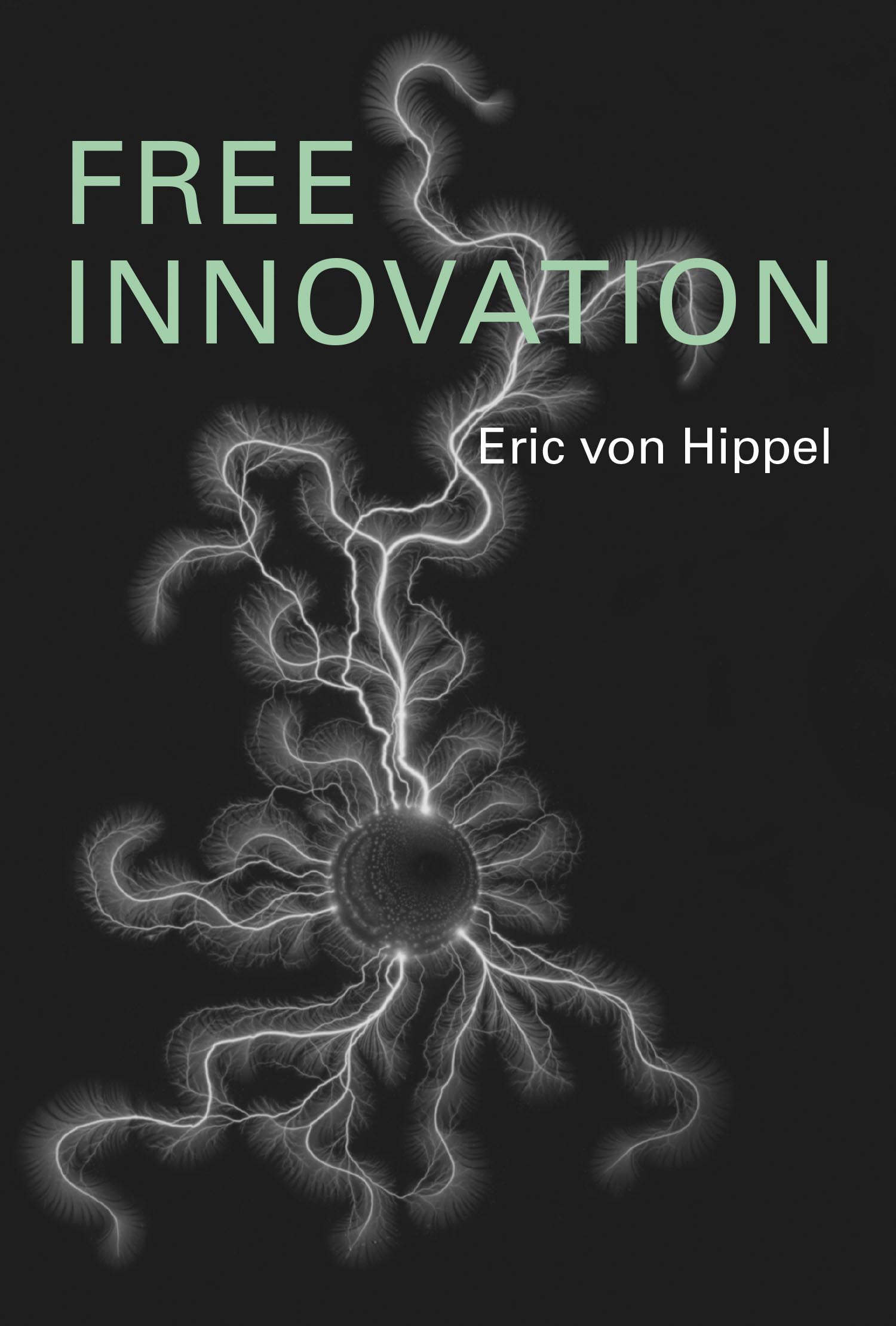
New findings on the large scale and importance of innovation by consumers fundamentally change how we understand the innovation process.
In the coming years, the Heron Foundation will emphasize “connective investing” in US communities, providing financial and other forms of capital. It will continue to seek allies and build connections with those who have muscle and capital market reach.
A different approach to developing teachers helps rural students access secondary education, and also has an immediate and positive impact on their communities.
Three trends that will drive scale and take impact investing to the next level.